By Marc C. Shaffer
Twenty years go by faster than you think.
When I started at Searcy Financial® Services, my focus was on learning the technical side of financial planning, including investments, strategies, and how to serve clients well. What I did not fully appreciate at the time was how much this career would be shaped by people, experiences, and lessons that had very little to do with numbers.
Over the past two decades, I have had the privilege of working with individuals and families at many different stages of life. Along the way, I have also experienced my own growth, both professionally and personally.
Some lessons came from success. Others came from challenges. Many came from conversations and relationships that changed how I think about financial planning, business, and life.
As I reflect on 20 years, here are 20 lessons that have had the greatest impact on me and continue to shape how I show up for the people we serve.
- Relationships Drive Everything
Relationships have always been at the center of what I do, but that didn’t happen by accident.
When I attended Kansas State University, I studied at the College of Health and Human Services, earning a degree in Family Studies and Human Services. There was a phrase that stuck with me then and has stayed with me ever since:
In a world focused on things, we first focus on people.
At the time, I did not fully grasp how much that idea would shape my life and career. Looking back, it has been one of my most consistent guiding principles in my life.
Every mentorship I have had. Every friendship I have built. Every new person I have met through work, networking, or community involvement has contributed to where I am today.
Those relationships are not separate from success. They are success.
When people ask if I could ever leave Kansas City and start over somewhere else, I always pause. While opportunities might exist elsewhere, I would be walking away from something far more meaningful than a business or the relationships I have built over time.
I would be stepping away from connections that contribute directly to my happiness, my growth, and my ability to serve others.
Kansas City has been the backdrop for so many of those relationships. It is where I have grown personally, professionally, and spiritually. It is where I have built friendships that have supported me through both the highs and the lows.
Those relationships continue to shape where I am going.
Every new connection creates another opportunity to learn, to grow, and to give back. Whether through mentorship, community involvement, or simply showing up for others, those interactions compound over time in ways that are hard to measure but impossible to ignore.
Relationships are not a part of the journey.
They are the journey.
- Consistency Outperforms Intensity
There’s a quote often associated with Babe Ruth about not letting the fear of striking out keep you from playing the game. That idea has always resonated with me, especially when I think about the early years of my career.
What many people don’t know is that I didn’t share and invite people in my network and life to consider utilizing Searcy Financial® Services during my first three years at the firm because I wanted to be certain this is where I would build my career long term. I had seen other professionals in the industry move from firm to firm, bringing clients with them along the way, and that never sat well with me. If I was going to ask someone to trust me with their financial life, I wanted to be confident that I wasn’t going anywhere.
I received feedback from a Culture Index expert who told me that based on my profile, I was a “Technical Expert” and likely would not be able to grow a business. I could have accepted that. Instead, I chose to treat it as a challenge.
 I leaned into consistency. I showed up. I built relationships. I followed up. I focused on creating a process that delivered a consistent experience centered on knowledge, understanding, and trust. I was not trying to impress people in a single interaction. I was working to demonstrate, over time, that I was someone they could rely on.
The trust I spend time building opened doors. It led to relationships, opportunities, and eventually to writing the One For All book, which expanded my ability to connect with others.
Looking back, I am grateful for those early years. They taught me that success does not always come from intensity. More often, it comes from showing up consistently, even when progress feels slow.
- Clarity Creates Confidence
There’s a quote from Alice in Wonderland that says if you don’t know where you’re going, any road will take you there. Early in my career, I had opportunities, support, and direction from others, but I had not taken the time to define what I wanted for myself.
This lack of clarity showed up in subtle ways. Decisions felt harder than they needed to be. I was pulled in different directions. I was making progress, but was it toward something meaningful?
Then I heard Brian Buffini, entrepreneur, author, speaker, and father, say, “When the vision is clear, decisions are easy.”
I hired a life coach who had me think intentionally about what I wanted my life to look like, professionally and personally. She helped me define my priorities and align my actions with them.
That clarity created a ripple effect. It shaped not only my career decisions, but also my personal life. It influenced how I approached finding a spouse, the kind of family I wanted to build, and how I made decisions that aligned with the life I wanted, not just the opportunities in front of me.
Over time, I have seen this play out in my own life and in the lives of the people we work with. When someone is clear on their vision, decisions become easier. Not because life becomes simple, but because there is direction. And with direction comes confidence.
- Time Is the Most Valuable Asset
Some lessons you learn through experience. Others you feel.
 Losing my mom to cancer was an experience that reshaped how I think about time. She battled cancer and overcame it more than once, first with CCL and later with breast cancer. Because of that, I never took our time together for granted.
She retired in her early 50s after 30 years of hard work, like many people who plan to enjoy more time later in life. Unfortunately, she did not get as much time as she had hoped.
I am incredibly grateful for the time we did have. She was able to see me get married and meet her first grandchild. Those moments matter in ways that are hard to fully express.
My parents worked as a means to an end. They did what they needed to do, but they did not necessarily love what they did. That influenced me to reconsider how I viewed work and life. I did not want to build a life where I was always working toward a future point where I could finally enjoy it. I wanted to build something I did not feel the need to retire from; a career I enjoy and a life that includes time for family, travel, writing, and helping others beyond just financial planning.
Time is finite. Once you truly understand that, it changes how you choose to spend it.
- Simplicity Has Real Value
Early in my career, I believed complexity equaled value. If a financial plan was over-detailed, comprehensive, and stuffed with information, it felt like we were doing a great job.
I remember four-hour client meetings and new clients would leave with a three-ring binder full of information and a list of what felt like 100 action items. It felt productive, but looking back, it was overwhelming.
Over the years, my perspective shifted. Part of that came from Carl Richards, especially his financial sketches and his book The One-Page Financial Plan. One of his sketches contrasts simplicity and complexity, showing how complexity often creates confusion instead of clarity. That idea stuck with me.
We began to simplify. Meetings became shorter, often 45 to 90 minutes. We focused on fewer topics with greater clarity. Instead of long to-do lists, we prioritized the actions that mattered most and followed up on them.
We also recognized something important. Attention spans matter. Like working out, sometimes the hardest part of a financial planning meeting is simply getting started. A 45-minute meeting feels more approachable and reduces friction.
In many cases, instead of one long meeting each year, we now have multiple shorter meetings with focused topics. That shift has increased engagement. People are more present, conversations are more meaningful, and follow-through has improved.
Simplicity does not mean less value. In many cases, it creates more.
- Plans Need to Evolve
Life doesn’t follow a straight line.
In my 20s, I thought I had a clear plan: a long-term relationship, a home, a vision for what came next. Then, suddenly, it changed. After a simple trip with friends, I came home to an empty house. The relationship was over, and the life I expected was gone.
It was confusing, but it forced a reset. I shifted my focus to my career, investing in growth and building what I could control. That season had purpose.
Over time, though, a new question emerged: would I have a family to share it with?
My life coach helped me clarify what I wanted in a partner and in life. Not long after, I met my wife.
The plans continue to evolve. We faced fertility challenges and committed to three retrievals in hopes of giving ourselves the opportunity to have more than one child. It was not easy emotionally or financially, but it was worth it.
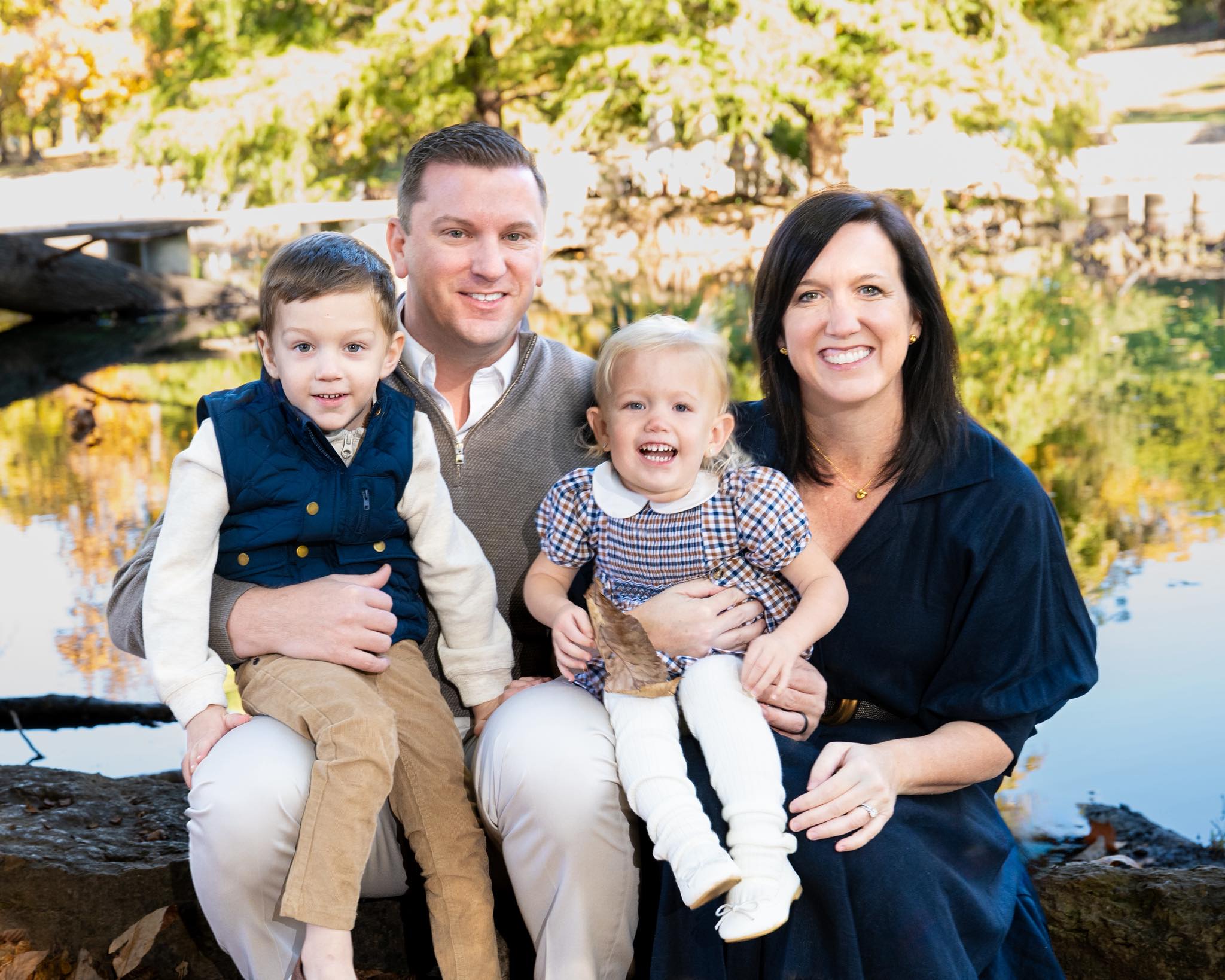
Today, we have two incredible kids who bring energy, chaos, and meaning to our lives in ways that are hard to fully describe.
Looking back, none of this followed the original plan. And that is the point.
Plans are not meant to be fixed. They are meant to evolve as life unfolds. The key is not holding too tightly to what you thought life should look like, but staying open to what it can become.
- Cash Flow Is Foundational
One of the simplest ways to understand someone’s priorities is to look at their cash flow. It is a lot like looking at a calendar. Show me your calendar and I can tell what matters based on how you spend your time. Show me where your money goes and I can tell what you value.
What still surprises me is how many people don’t know where their money is going. That is not just people living paycheck to paycheck. I have seen high earners with plenty of resources who still feel unsure about it. Some very successful people are basically living paycheck to paycheck and don’t even realize it. Income alone does not create clarity.
After college, I chose to live below my means, and that gave me flexibility. As my income grew, I got more intentional about where my money went. I focused on saving, investing, giving, and spending in ways that lined up with what mattered most. I also made it a priority to invest in myself.
I remember Mike Searcy telling me that if I didn’t believe in myself enough to invest in my own growth, why should he. That stuck with me. As my income increased, so did my commitment to personal development and giving back. I started putting more toward education, experiences, and causes I cared about.
At a practical level, I still keep things simple. I use spreadsheets to track income and spending, and I know what is left at the end of each paycheck after the important pieces are covered. That awareness creates freedom.
There are things in my budget that are not essential, like apps, subscriptions, and the occasional specialty drink. But because everything else is aligned, I don’t feel guilty about those choices. I am in control of my cash flow, and that changes everything.
There is a quote often attributed to Benjamin Franklin that I share with clients: Beware of little expenses. A small leak will sink a great ship.
Small financial decisions, repeated over time, matter more than most people realize.
- Vision Gives Direction
 Cash flow shows where your money is going. Vision shows where your life is going.
One of the most valuable exercises we use with clients, especially early on, is defining that vision. It is not always easy and can feel abstract compared to reviewing numbers.
But over time, it becomes clear why it matters. Months later or during major decisions, that vision provides direction. When it is clear, decisions get easier.
Without it, people often feel like they are doing everything right but still feel disconnected. They are working, saving, and investing, but not always sure why. Vision connects the dots and reminds us that money is a tool, not the goal.
When someone is clear on their vision, they become more intentional, more committed to what matters, and more comfortable saying no to what does not. Sometimes they even realize a goal they have been chasing is not part of the life they want.
That clarity is powerful.
For me, my vision has become more defined over time. I want to live a life centered around meaningful relationships. I want to be present as a husband and father. I want to continue building Searcy Financial® Services and Allos Investment Advisors in a way that reflects our values and supports both the people we serve and our team. I want to give back, stay curious, and continue growing, while enjoying the process along the way.
Vision may not simplify life, but it can provide clarity and direction within it.
- There Is No Perfect Time
I used to tell myself I did not have the time or money to travel internationally. It was easy to justify early in my career when I was focused on building something and travel felt like something that could wait.
My mentor, Mike Searcy, asked me multiple times to join a trip with other Kansas State students and alumni. Each time, I had an excuse. Not enough time. Not enough money. Not the right moment.
Then he told me: If you keep saying that, you are going to look up one day and realize you have not seen much of the world. That hit me.
Eventually, I said yes.
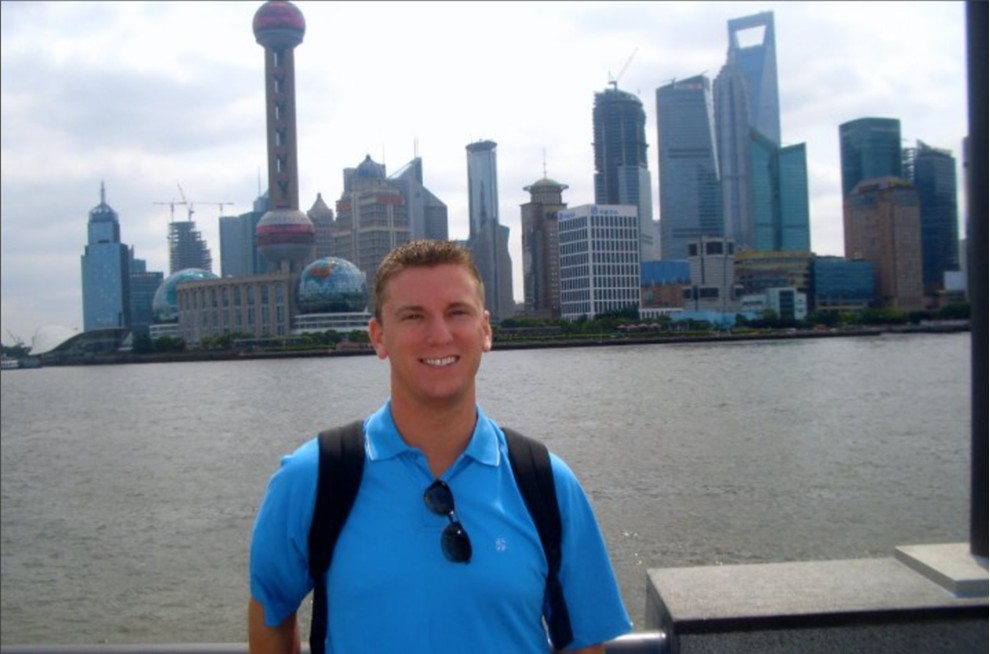 I joined Dr. Bill Meredith on a trip to Hong Kong, Guangzhou, Shanghai, Macao, and Xiamen. It was an incredible experience that opened my eyes to what was possible and sparked an interest in travel I had not fully explored before.
Financially, it was not easy. I spent nearly all of my savings to go on that trip. But what I gained from the experience was far more valuable. It created momentum. It motivated me to grow, create more opportunities, and expand what I believed was possible.
That one decision led to years of travel and relationships that shaped my life, including connections with Jared and Stacy Anderson through Adventures to Serve.
Looking back, the perfect time would have been earlier. But I am glad I did not wait any longer.
There is no perfect time. There is only the decision to go.
- Progress Is Not Always Linear
Progress rarely looks the way you expect it to. Early in my career, I assumed it meant steady, forward movement. You learn something, you improve, and you move ahead. But that is not always how it works.
One of the best examples of this in my own life was pursuing the Enrolled Agent designation. After passing the CFP exam, I felt like I had built a strong foundation. Mike Searcy encouraged me to deepen my understanding of taxes, which led me to the Enrolled Agent program with its three exams covering individual taxes, corporate taxes, and ethics.
The corporate tax exam gave me trouble. It took me three attempts to pass. Each time I did not pass, I had to come back and share that with the team. That was not easy. It felt like I was moving backward.
At the same time, something else was happening. I was learning. I was building confidence. I was developing a deeper understanding of something that would ultimately benefit both me and the people we serve.
When I finally passed, it was not just about the credential. It was about what the process required. Persistence. Patience. A willingness to keep showing up.
No one asks today how many times it took me to pass that exam, but I know. Because of that, I value the knowledge more.
There is a quote from Jim Rohn that captures this well: Do it because of what it will make of you.
Progress is not always a straight line. Sometimes you have to take a few steps back to move forward in a more meaningful way.
- This Too Shall Pass
One of the most grounding lessons I have learned is simple. This too shall pass.
I was introduced to financial planning just a couple of years before the Great Recession. I was often the one answering the phone and helping prioritize client needs. Those were not easy conversations. Markets were down nearly 50 percent, and people were scared. The questions were not theoretical. They were real. Would everything be okay?
Part of my role was helping people see that while the short term felt uncertain, the long term still had a path forward. That perspective stayed with me.
Over the years, there have been plenty of moments where uncertainty felt overwhelming. Different administrations, economic shifts, global events, and a pandemic that touched nearly every part of life. Through all of it, one thing has stayed consistent. People wake up, go to work, and try to make things a little better. As Bob Veres often points out, that collective effort compounds over time.
That does not mean there will not be volatility. It means volatility is part of the process. And that is where the phrase comes back into focus. This too shall pass.
That lesson applies just as much to life as it does to work. When I started at the firm, Mike Searcy was going through a divorce. At one point, I spent nearly all of my savings on an international trip I knew I would regret missing. Years later, I supported my wife in her role as a Health Director during a pandemic while we were also going through fertility treatments.
There have been highs and lows. Through all of it, the same principle applies.
Another idea that has stuck with me is this. Throw some dirt in the valley during the good times so when the tough times come, the climb is not as steep. Preparing during the good times and staying grounded during the hard ones makes a difference.
And when you come out on the other side of a difficult season, something else becomes clear. Gratitude.
Because no matter how challenging a moment feels, eventually, it passes. That is life.
- Everyone You Meet Is Carrying Something You Can’t See
This is a lesson I understood intellectually for a long time but didn’t fully appreciate it until I experienced it personally.
At the end of 2021, several major life events converged at once. Our team was in the process of buying out the founder of Searcy Financial® Services. My mom’s cancer had returned and she was undergoing treatment. Around the same time, my dad was also diagnosed with cancer. My wife and I were preparing to welcome our first child after going through fertility treatments during the pandemic.
Due to mounting pressures, my sleep and appetite were impacted. What could have been an exciting season felt overwhelming and I pulled away from things and people I enjoyed.
Because of this funk, I worked on a plan with doctor and although I went a different direction that we discussed, it became clear looking back that time was what helped the most. The business transition was completed. My mom responded to treatment. Our son, Grant, was born.
But the experience stayed with me, and it showed up again the following year in a different way. We lost my mom. Markets were challenging. I was carrying the weight of a business loan. And we were preparing to welcome our daughter. Once again, there was a lot beneath the surface.
Looking back, both seasons passed. What changed for me was awareness. I now recognize when I am taking on too much. I understand the connection between my mental and physical state. I see the importance of slowing down, practicing gratitude, and prioritizing exercise.
I do not have it all figured out, but I do have a different perspective.
Everyone you meet is carrying something you cannot see.
That awareness has changed how I show up. It has created more patience, more empathy, and a greater willingness to listen. Because what you see on the surface is rarely the full picture.
- Relationships Evolve Over Time
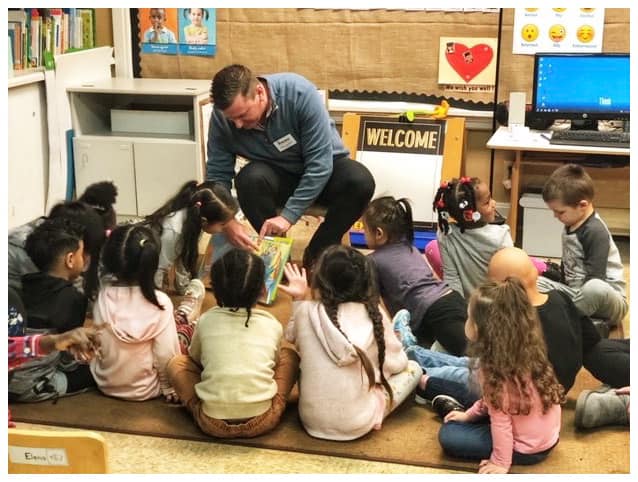 One lesson that has become clearer over time is that relationships are not static. They evolve.
There is a phrase that people come into your life for a reason, a season, or a lifetime. The longer I’ve been doing this, the more I’ve found that to be true. Early on, it is easy to think relationships should stay the same. But life shifts. Careers change, families grow, and priorities evolve.
I’ve seen this across different seasons. Structured programs like Centurions, Wabash Cannonball, the Growing Futures Board, and the K-State Alumni Board created meaningful relationships during specific periods. Those experiences mattered, even if they were not meant to last forever.
The same is true for more informal groups. Brunch Club, referral partners, and different circles of friends that come together around shared interests or timing. Each group serves a purpose. Some people celebrate with you. Some commiserate. Others push you to grow. All of them matter.
Some relationships have also faded. Not because anything went wrong, but because life moved in different directions. At times, I did not have kids while others did. Later, I had kids and others did not. My career accelerated while others took a different path, and at times I stepped back while others moved forward. None of that was right or wrong. Just different.
That does not take away from what those relationships meant. If anything, it reinforces their value. It reminds me that it is better to have loved and lost than never to have loved at all.
That perspective creates more appreciation and less pressure. It also makes one thing clear. If you feel prompted to reach out, express appreciation, or reconnect, it is worth doing.
Relationships may evolve, but their impact does not go away.
- Stay Curious and Be Open to What Shows Up
Curiosity has shaped more of my life than I probably realized at the time. Looking back, many of the most meaningful opportunities, relationships, and experiences started with a simple thought: I wonder what that would look like.
Over time, I began to notice a pattern. When I became curious about something and stayed open to it, the right people often showed up.
I was curious about international travel and met Jared Anderson. I was curious about writing a book and met Will Severns. I was curious about finding a spouse and building a family and met Kay Blond, who helped me get clear on what I was looking for. Not long after, I met my wife, Bridgette.
That pattern continued. I was curious about connecting with other business owners who shared a strong faith and met Billy Hodes. I was curious about raising a family in the church, which led me to RCIA through marriage preparation. I was curious about transitioning the business from Mike Searcy and met David Grau. I was curious about creating client travel experiences and met Kim Gibbons.
Along the way, I also met people who shaped me in more personal ways. I was curious about finding someone who believed in me more than I believed in myself and met Bill Meredith. I was curious about slowing down and being more present and met Mic Johnson. I was curious about building lifelong friendships and met Derrick Miller at a bachelor party.
None of these were forced. They came from staying open.
Curiosity creates momentum, and the people you meet along the way often help show you what is possible.
- Community Adds Meaning to Success
At some point, success on its own starts to feel incomplete. That realization tends to come gradually.
Early on, the focus is often on building. Growing a career. Creating opportunities. Achieving goals. Those things matter. But over time, something else becomes more important. Who you share it with.
Years ago, reading Who Not How by Dan Sullivan shifted how we approached both business and relationships. Instead of trying to be everything to everyone, we focused on what we do best, financial planning, and surrounded ourselves with people who could help us grow and better serve others.
That shift created clarity, but it also created something more meaningful. It created community.
We built relationships with professionals we trust. People we can collaborate with, refer to, and learn from. That mindset extended beyond business. Through involvement in Rotary, Centurions, nonprofit boards, and alumni activities, we became part of something bigger than just our firm.
Those experiences create opportunities to give back, to grow, and to build meaningful connections. They reinforce an important idea. When you help enough people get what they want, things tend to come back around. Not in a transactional way, but in a way that builds trust and lasting relationships.
Success means more when it is shared.
- Everyone’s Path Looks Different
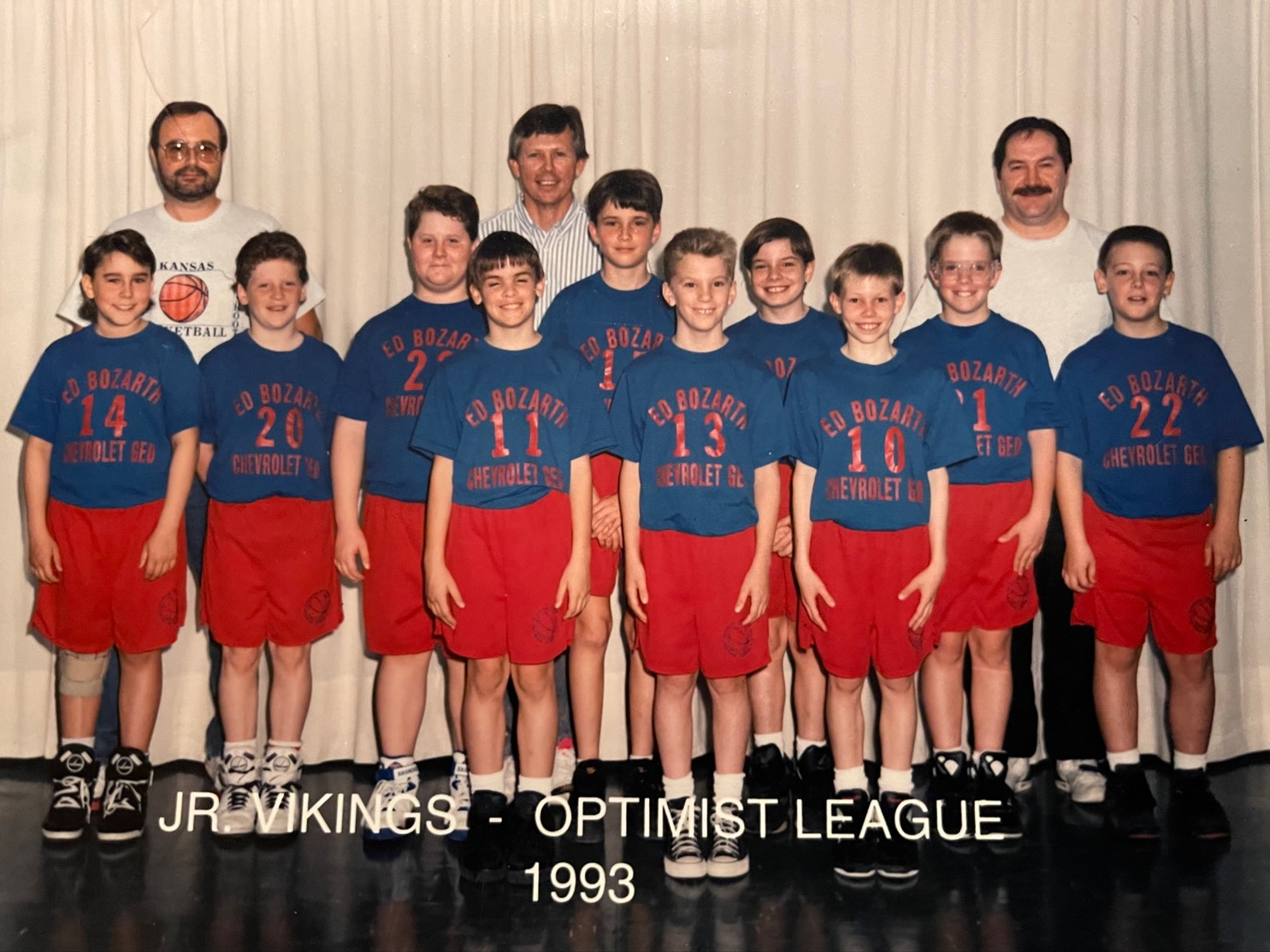 One of the most important realizations I’ve had is that there is no single path to success.
Early in my career, it was easy to compare. You look at others and how they built their business, how they interact, how quickly they grow, and wonder if you should be doing the same.
Over time, I’ve come to appreciate that different paths exist for a reason. Within our own firm, that is clear.
Looking back, how Mike Searcy built our partnership was intentional. He saw strengths in each of us that we may not have fully recognized at the time.
Jessica had been with the firm the longest. While she did not pursue the CFP designation, she developed strengths in operations, vision, and leadership. Today, she focuses on working on the business, helping guide where we are going.
John came in with a background in communications, not financial planning. His Culture Index pointed to relationships. Over time, he became a strong planner and an even stronger leader. He now leads our planning team and helps keep the group aligned.
Ryan started in a support role and quickly found his strength behind the scenes. He now serves as Chief Investment Officer, and oversees technology and the client experience while contributing to complex planning work.
Each of us has a different role. Different strengths. And together, we are better.
That became even clearer as we used tools like Predictive Index and StrengthsFinder. They helped us understand not just what we do, but how we do it best.
The same is true for the people we work with. There is no single way to build a career, manage money, raise a family, or define success. Comparison rarely creates clarity.
What matters is finding the path that aligns with your strengths, your priorities, and your vision.
- Gratitude Changes Perspective
Gratitude is something most people understand, but understanding it and practicing it are different things.
For a long time, I thought gratitude was something you felt. Over time, I have come to see it as something you do. Throughout the day, small moments show up. A thought to reach out. A reminder to say thank you. A chance to acknowledge something meaningful. It is easy to let those moments pass.
But when you start acting on them, something changes.
The book Promptings highlights this idea. When you feel prompted to do something positive for someone else, act on it. Those small actions add up. They strengthen relationships, create connection, and shift your perspective. Gratitude becomes less about reflection and more about intention.
It also shapes how you approach the rest of life. When you focus on what you have instead of what is missing, decisions feel different. There is more clarity, more appreciation, and more presence.
Gratitude does not remove challenges, but it changes how you experience them.
- Mistakes Can Be Valuable Teachers
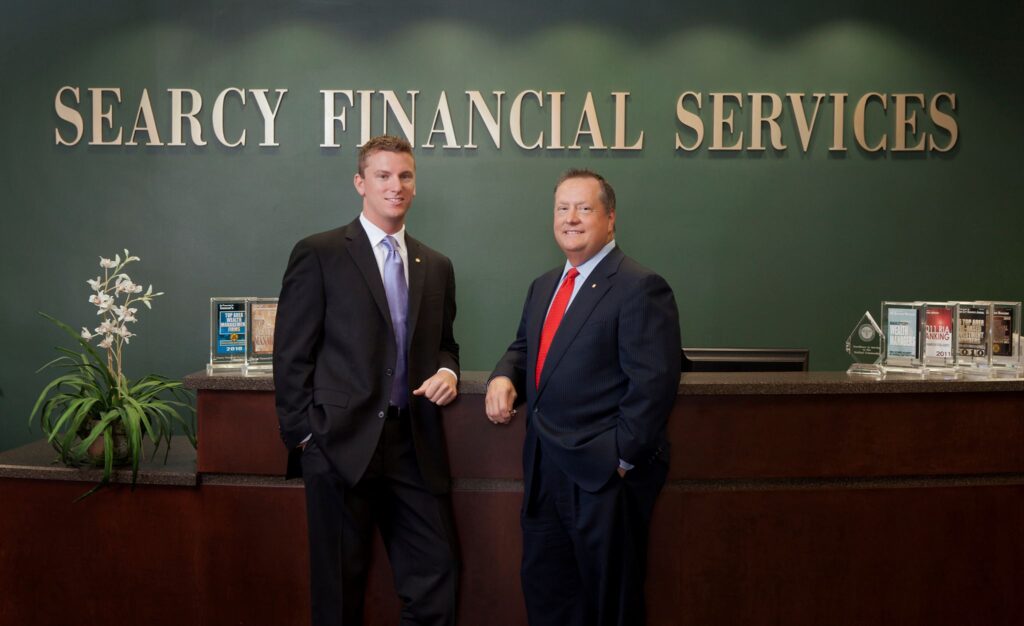 If there is one thing I would tell my younger self, it is this. Do not be afraid of making mistakes.
Early in my career, I tried to avoid them. I thought success meant getting everything right the first time. Over time, I learned that some of the most meaningful growth comes from the opposite.
Mistakes.
One of the best examples for me was the Enrolled Agent exam. After passing the CFP exam, I felt confident in my technical knowledge. Mike Searcy encouraged me to go deeper into tax planning, which led me to pursue the designation.
It took me three attempts to pass the corporate tax portion. Each time, I had to come back and share that with the team. It was not easy, but it kept me motivated. I knew I would get through it.
When I finally passed, the knowledge meant more because of what it took to earn it.
There is a quote that captures this well. If I had it all to do over again, I would make all the same mistakes, only sooner.
That perspective changes how you see growth. Mistakes are not setbacks. They are part of the process. They shape who you become and often teach lessons success alone never could.
- Hand it Out in Slices and It Comes Back in Loaves
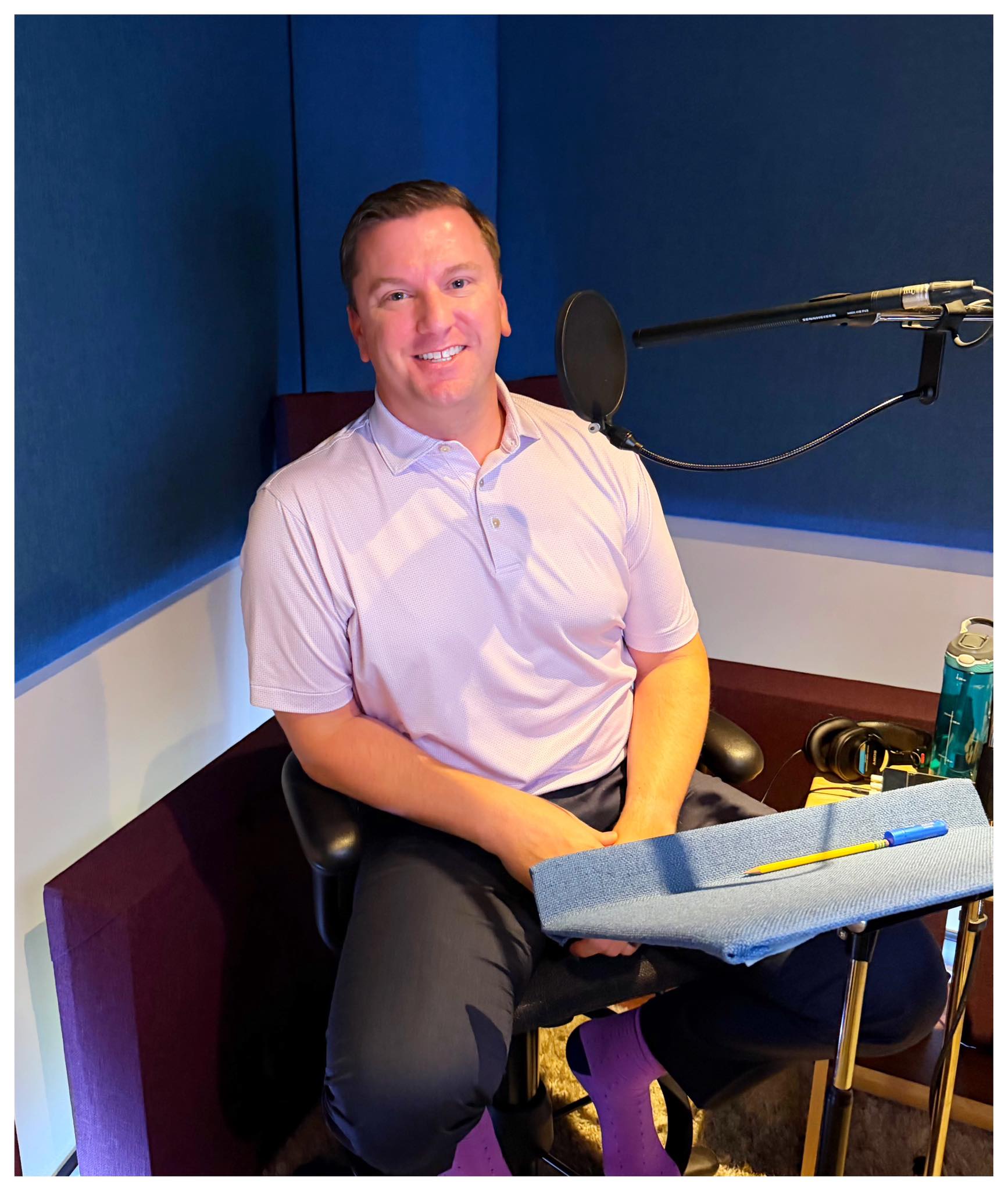 I first learned of this from Brian Buffini through his Pathway to Mastery program, a course I’ve now taken eight times. It is built around the idea that what you consistently put out into the world, especially through relationships, comes back over time in ways you cannot always predict.
I used to think about value in more immediate terms. If I put in effort, I expected to see results. If I helped someone, I hoped it would lead somewhere. Over time, that perspective shifted.
Some of the most meaningful opportunities in my life did not come from direct exchanges. They came from small, consistent actions over time. Making an introduction. Following up. Sharing an idea. Taking time to help someone without expecting anything in return.
Individually, those moments can feel small and easy to overlook, but they add up. A conversation leads to a relationship. A relationship leads to an opportunity. An opportunity creates a connection you could not have planned.
And often, what comes back looks very different from what you gave. That is the part that took me time to understand. The return is not always immediate, direct, or transactional, but over time, it compounds.
You build trust. You build goodwill. You build relationships that extend far beyond a single moment. That is where the real value shows up.
If you like this concept, I encourage you to read more about it in my book: One For All
- Take the Trip. Life Is Short
For a long time, I told myself I would travel later. When I had more time, more money, when things slowed down.
Then I realized something. Later is not guaranteed.
It is easy to get caught up in work and over-scheduling if you are not intentional about what matters. Travel became one of those priorities for me, not something for someday, but something I chose to build into my life.
When I started saying Yes, I found was that the value went far beyond the destinations. It was not just about seeing places. It was about the people I met, the friendships built, and the perspective I gained. Travel pushed me out of my comfort zone and gave me a clearer view of what matters.
It reinforced something I now believe strongly. Experiences shape you in ways things never will.
That is why I started planning for travel on purpose. Setting aside money. Making it part of my financial plan. Treating it as something that matters, not something that gets whatever is left.
Life moves quickly, and there will always be reasons to wait. More work. More responsibilities.
At some point, you have to decide.
Take the trip.
Because life is short, and the experiences you gain will stay with you far longer than anything you could have bought.
Looking back, these lessons did not all show up at once. They were learned over time through experiences, conversations, challenges, and opportunities that shaped how I think today.
What stands out most is that life, and the work we do within it, is rarely just about outcomes. It is about people, priorities, and how you choose to show up along the way.
Some seasons are focused on growth. Others are focused on navigating challenges. Some are about building. Others are about appreciating what is already there.
If any of these lessons resonate, it may be worth taking a step back to reflect on your own path. What you are working toward. Who you are sharing it with. And how you want to show up along the way.
Because in the end, it is not just about where you end up. It is about the people you meet, the experiences you have, and the perspective you gain along the journey.